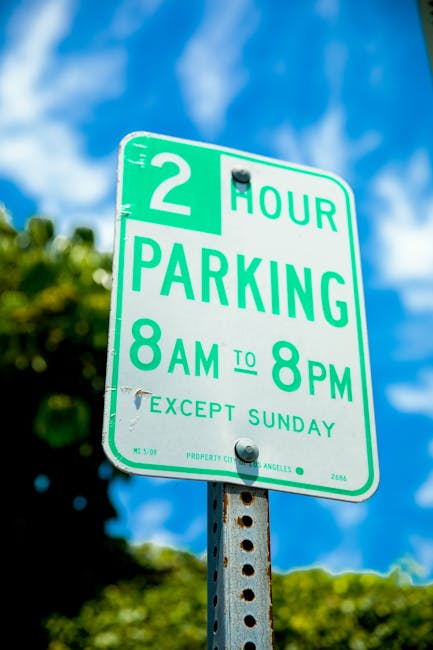
Redbridge Council parking rules for Chadwell Heath moves: a practical guide for a smoother moving day
Moving home in Chadwell Heath is busy enough without parking problems turning the front of the house into a stress point. If you are planning a move, Redbridge Council parking rules for Chadwell Heath moves can affect where the van stops, how long it can stay, and whether your team can load without causing delays. That matters more than most people expect. A perfectly packed van is no use if it cannot park legally near the door.
This guide breaks the topic down in plain English. You will learn why parking rules matter, how moving-day parking usually works, what to check before the van arrives, and how to avoid the little mistakes that lead to fines, complaints, or a very awkward 8:15am stand-off with a traffic warden. We will also look at the kind of planning that makes flat moves, house removals, and short-notice jobs much easier. If you want a calmer moving day, this is the place to start.
Table of Contents
- Why Redbridge Council parking rules for Chadwell Heath moves matters
- How Redbridge Council parking rules for Chadwell Heath moves works
- Key benefits and practical advantages
- Who this is for and when it makes sense
- Step-by-step guidance
- Expert tips for better results
- Common mistakes to avoid
- Tools, resources and recommendations
- Law, compliance, standards, or best practice
- Options, methods, or comparison table
- Case study or real-world example
- Practical checklist
- Conclusion
- Frequently asked questions
Why Redbridge Council parking rules for Chadwell Heath moves Matters
Parking is not the glamorous part of moving, but it can be the part that causes the most friction. In Chadwell Heath, many streets are tight, heavily used, or lined with parked cars, so a removal van may have limited room to stop. If you do not plan for that, the move can slow down before the first box is lifted.
Redbridge Council parking rules for Chadwell Heath moves matter because moving day has a knock-on effect. The van needs access for loading and unloading. The crew needs safe space to carry furniture. Neighbours still need through-access. And if restrictions apply, ignoring them can quickly become a costly distraction. Even a short overstay in the wrong bay can become more expensive than the moving time you hoped to save.
There is also a less obvious point: good parking planning protects your belongings. When the van has to park too far away, the team has to carry items further, which increases handling time and the chance of bumps, scuffs, or stress. If you have heavy items, fragile boxes, or a tight stairwell, every extra metre matters. To be fair, that is where people usually realise the move was never just about the boxes.
How Redbridge Council parking rules for Chadwell Heath moves Works
Parking rules around a move usually come down to three things: the location, the type of restriction, and the duration of stopping. Chadwell Heath sits in a part of London where controlled parking, waiting limits, loading rules, yellow lines, and resident bays may all appear in different combinations depending on the street. That means you should not assume one road works like the next.
In practical terms, a removal van may be able to stop temporarily for loading or unloading where general parking would not normally be allowed, but that is not the same as blanket permission to park anywhere. You still need to consider signs, markings, and any time limits. Some spots are fine for short loading activity only. Others may need a permit or prior arrangement. And in some cases, the safest option is to avoid stopping on the road altogether and use a nearby legal loading point.
For moves involving flats, the parking picture often becomes a bit more delicate. The van may need to wait while a lift is booked, a concierge confirms access, or a narrow road clears. That is normal. The trick is to build that waiting time into the schedule rather than hoping for the best. If you have ever watched a driver circle the block three times with a wardrobe in the back, you will know why.
A sensible approach is to treat the parking plan as part of the move plan, not a side note. Check the street outside the property, nearby alternative spaces, and the likely loading route. If your move also involves timing around busier roads or station traffic, it can help to review something like smart loading routes and move timing near Chadwell Heath Station before you lock in a moving slot.
Key Benefits and Practical Advantages
When the parking side is handled properly, the whole move feels more controlled. That does not mean relaxed exactly. Moving rarely feels like a spa day. But it does mean fewer interruptions, less wasted energy, and a much smoother start.
- Faster loading and unloading: the van can sit close enough for efficient carrying.
- Lower risk of fines or complaints: fewer parking disputes, fewer awkward surprises.
- Better safety: shorter carry distances reduce strain and trip hazards.
- Less time pressure: a parking plan prevents the whole day from slipping.
- Improved protection for furniture: fewer long carries mean fewer knocks and scrapes.
There is also a commercial advantage if you are using a professional removal team. Crews can work more efficiently when they know the parking position in advance, which helps keep the move on schedule. That matters whether you are moving a one-bedroom flat or a larger family home. A clean parking plan also makes it easier to coordinate with specialist items, such as a piano or heavy furniture, where unloading has to be carefully staged.
For moves with bulky pieces, it is worth understanding the handling side as well. A van parked in the right place still needs the load to be carried safely, and that is where guidance like our guide to safe lifting and kinetic handling can be useful in practical terms.
Who This Is For and When It Makes Sense
This topic is relevant to almost anyone moving in or out of Chadwell Heath, but especially to people whose access is tight or time-sensitive. If you are on a residential street with limited bays, the parking decision can shape the whole job.
You probably need to think about council parking rules if you are:
- moving from a flat with limited roadside access
- using a removal van that needs space close to the entrance
- moving on a busy weekday morning
- dealing with yellow lines, resident zones, or narrow roads
- moving heavy furniture, pianos, or large appliances
- trying to complete a same-day or short-notice move
It also makes sense for students, office movers, and landlords preparing a property between tenancies. Student moves are often quick but chaotic, and parking can become a bottleneck if everyone arrives at once. Likewise, office removals often need staggered loading and a vehicle that can stop without blocking the street. If that sounds familiar, student removals in Chadwell Heath and office removals in Chadwell Heath are both situations where parking planning matters far more than people expect.
When a move has little margin for error, the parking question becomes urgent. That is especially true if your schedule is tight, the weather is miserable, or the building has strict access windows. A drizzly Tuesday at 7am can feel very different from a calm Saturday afternoon, and the parking strategy should reflect that.
Step-by-Step Guidance
If you want the move to run smoothly, start with the parking decision early. The good news is that the process is straightforward once you break it into steps.
- Check the street outside the property. Look for yellow lines, loading restrictions, resident bays, double yellows, permit bays, or any temporary signage.
- Work out the likely stopping point. The van should ideally sit as close as possible without creating a hazard or breaking local rules.
- Map the carrying distance. From van to front door, then from door to staircase or lift. Short distances save a lot of energy.
- Decide whether you need a backup position. If the first space is taken, where can the vehicle legally wait?
- Build timing into the booking. Allow for unloading delays, traffic, and key collection. A move that starts too tightly often snowballs.
- Confirm any permit or bay use details early. If a special arrangement is needed, do not leave it until moving morning.
- Brief the driver and helpers. Everyone should know where the van will stop and what happens if access changes.
In real life, this sort of planning is often what separates a controlled move from a messy one. A family moving from a second-floor flat, for example, may need the van parked on the opposite side of the road because a bay is full. That can still work, but only if someone has already walked the route, measured the distance mentally, and thought through the loading order. Small thing, big difference.
For people who want a broader moving framework, the article on house relocation tips that make moving easier is a useful companion read, especially if you are coordinating parking with packing and key handover.
Expert Tips for Better Results
There are a few habits that make parking and moving day work much better, and most of them are simple. Not always easy. Simple, though.
- Plan for the van before you plan for the sofa. The vehicle position should shape the loading order.
- Use the front door as your anchor point. Measure how many steps or metres are between the van and the entrance.
- Keep the first-load items closest to the exit. Heavy items, awkward furniture, and fragile boxes should not be buried under general clutter.
- Have one person watching access. Someone should be free to spot changing traffic or blocked spaces.
- Move early if the street gets busy. In many parts of London, parking gets harder as the day goes on.
One practical trick is to load items in the order they will be needed at the destination, but only if the parking setup supports that. If your van has a short legal stop time, you may need to prioritise the heaviest and most awkward items first. That is where good planning, and a bit of calm judgement, matters most.
If you are moving delicate furniture, a sofa, or a dining table, it can also help to review furniture removals in Chadwell Heath so you can align handling plans with the parking layout. For fragile specialist jobs, like a piano, the coordination matters even more. One wrong stop point can turn a careful move into a rushed one, and nobody wants that.
Common Mistakes to Avoid
The biggest parking mistakes are usually the simplest ones. They happen because people are rushed, not because they are careless.
- Assuming loading is always allowed. It often depends on the sign, the line marking, and the time of day.
- Leaving the parking plan until the morning of the move. By then, options are limited.
- Choosing the nearest space without checking restrictions. "Close enough" can still be wrong.
- Forgetting that neighbours also need access. Blocking a driveway or junction creates conflict fast.
- Not allowing for delays at the property. Keys, lifts, children, weather, all of it slows things down a bit.
Another common issue is underestimating how long loading takes when the van cannot sit directly outside. Even a few extra metres can create repeated trips, and repeated trips create fatigue. Fatigue is where mistakes creep in. That is why planning the parking position is really a safety decision as much as a convenience decision.
And yes, someone always says, "It'll be fine, we'll just stop there for five minutes." Five minutes has a habit of turning into fifteen.
Tools, Resources and Recommendations
You do not need a complicated toolkit to handle moving-day parking well, but a few practical resources help a lot. The aim is to reduce guesswork and make sure everyone is working from the same plan.
- A printed moving plan: include the address, access notes, van position, and contact numbers.
- Photos of the street: take simple phone photos of bays, lines, and the front entrance.
- A checklist for room order: useful for loading in the right sequence.
- Protective gear: gloves, blankets, straps, and trolley equipment where needed.
- Timing buffer: build in extra time for parking, especially on shared streets.
It can also help to prepare your home properly before the van arrives. A clean, clear route from room to front door reduces congestion and makes parking less stressful because the loading area is ready. If you want a practical companion guide, see preparing your home for a move with cleaning essentials. And if you are still packing in the final days, stress-free packing guidance can save a lot of last-minute scrambling.
For awkward household items, especially freezers or mattresses, it is worth handling storage and transport properly so the van stop is not wasted on preventable issues. You may also find freezer storage advice and bed and mattress transport tips handy when planning the load order.
Law, Compliance, Standards, or Best Practice
Parking for a move is not just about convenience. It sits inside a wider framework of road safety, local parking controls, and considerate use of public space. The exact rules may vary by street, bay type, and time restriction, so the safest assumption is always to check the specific location rather than rely on a general rule of thumb.
In the UK, the basic expectations are familiar: do not obstruct traffic, do not ignore signs, and do not assume loading automatically overrides every restriction. Temporary stopping for loading or unloading may be permitted in some circumstances, but the practical details matter. If a location is marked or signed in a way that restricts stopping, you need to be careful. Best practice is to verify the street conditions before the van is booked, not after.
For movers and drivers, professional standards also matter. Safe loading, clear communication, proper lifting technique, and good route planning all reduce risk. That is one reason many people prefer a service that understands local access as well as transport. If you are weighing up options, the page on services overview can help you think about how parking, loading, and the rest of the move fit together. It is not the most exciting read, admittedly, but it is useful.
Where uncertainty exists, the sensible path is caution. If a bay is unclear, if a street is busy, or if the property has unusual access, plan a backup. That simple habit keeps the move compliant and less stressful.
Options, Methods, or Comparison Table
Different parking approaches suit different moves. Here is a simple comparison of common options.
| Parking approach | Best for | Pros | Watch-outs |
|---|---|---|---|
| Direct outside the property | Easy-access houses and quieter streets | Shortest carry, fastest loading | May not be available, may be restricted |
| Nearby legal loading space | Busy streets and limited bay availability | Usually safer and more compliant | Longer carry distance, more planning needed |
| Pre-arranged bay or permit use | Planned removals and tighter local access | Predictable and efficient | Needs early coordination and clear timing |
| Off-street access or driveway | Ground-floor house moves | Very efficient, low conflict | Not always available, turning space may still matter |
In reality, the best choice is the one that balances legality, safety, and convenience. A direct stop is ideal if it is allowed. A nearby loading space is often the next-best choice. A permit or planned arrangement is usually the cleanest option for anything more complex. For some moves, especially flat moves, this decision can be the difference between a neat two-hour job and a messy half-day shuffle.
Case Study or Real-World Example
Let us take a straightforward real-world scenario. A couple moving from a third-floor flat in Chadwell Heath had their van booked for the morning, but the street outside was already busy with parked cars. The first instinct was to stop in the nearest available gap. It looked fine. It was not fine, though, because the space sat too far from the entrance and risked blocking another vehicle.
Instead, the team checked for a better loading position a short walk away, adjusted the hand-carry route, and split the load into two phases. The first phase covered heavy boxes and furniture, while the second took lighter items once the route was clear. The move still took effort, of course, but it stayed orderly. No rushing, no arguments with local drivers, no last-minute scramble. That is the kind of small win people remember later, usually while unpacking tea mugs at 6pm.
Another common example is a student move from a top-floor flat near a busy road. In that case, parking is often less about long-term stopping and more about timing the arrival perfectly. A short loading window, careful box grouping, and a compact vehicle can make the difference. For flat-specific challenges, solutions for staircases and tight halls can be very relevant. If you are moving out of a small flat, that sort of planning saves a lot of back-and-forth.
Practical Checklist
Use this before the van arrives. It is simple, but it catches the details that matter.
- Check the street signs and bay markings near the property.
- Confirm the best legal stopping point for loading.
- Allow extra time for parking and access.
- Keep a backup location in mind in case the first space is taken.
- Tell the moving team where to stop before they arrive.
- Clear the hallway, entrance, and route to the vehicle.
- Pack the heaviest and most urgent items first for quick access.
- Make sure pets, children, and neighbours will not be caught in the loading path.
- Have keys, contact details, and building access arrangements ready.
- Review the move plan again the night before, then once more in the morning if needed.
If you want a small bit of extra prep, a decluttering pass helps more than people expect. Fewer items means a faster load, which reduces parking pressure as well. A short read on decluttering tactics for a simpler home move can give you a head start, especially if you are trying to keep the move compact and efficient.
Expert summary: the best parking plan is the one you decide before moving day, not during it. If you are moving in Chadwell Heath, treat access, loading, and parking as one joined-up task. That mindset alone prevents a lot of stress.
For additional peace of mind, especially around vehicle handling and move-day risk, it is sensible to understand insurance and safety considerations before any heavy lifting begins.
Conclusion
Redbridge Council parking rules for Chadwell Heath moves are not something to panic over, but they do deserve proper attention. A good parking plan keeps the van close, the loading safe, and the day moving in the right direction. Skip that planning, and even a simple move can become drawn out, more tiring, and more expensive than it needed to be.
The practical lesson is fairly simple. Check the street, understand the restrictions, allow enough time, and make sure everyone knows where the vehicle is meant to stop. That is the kind of groundwork that turns a stressful morning into a manageable one. Not perfect, maybe. But manageable, and that counts for a lot.
Get a free quote today and see how much you can save.
And if you are standing in the doorway wondering whether the van will fit, take a breath. With the right plan, the move usually goes better than you feared. Most of the time, that little bit of preparation is all it takes.
Frequently Asked Questions
Do I need special permission to park a removal van in Chadwell Heath?
Not always. It depends on the street, the bay type, and any restrictions shown on signs or road markings. Some stops may be fine for loading, while others may need a permit or a different approach.
Can a van stop on yellow lines during a house move?
Sometimes loading or unloading may be allowed in limited situations, but it is not automatic and it is not the same as free parking. Always check the exact location carefully before relying on that assumption.
How far in advance should I plan parking for a move?
As early as possible. For local moves, a few days of planning can be enough. For flats, busy roads, or bigger removals, it is better to plan even earlier so you can build in a backup option.
What happens if someone parks in the space I was planning to use?
That is common enough. You should always have a second legal option ready, such as another nearby bay, a different side of the street, or a later arrival time if access becomes easier.
Is parking more difficult for flat moves than house moves?
Usually yes. Flat moves often involve stairs, shared entrances, and narrower loading areas, so the van position matters more. The parking plan needs to work with the building access, not just the road.
Will parking the van farther away make the move slower?
Almost always. Extra distance means more carrying time, more fatigue, and usually a longer overall move. It is one of those details that looks minor until you are doing repeated trips with heavy boxes.
What should I tell my removal team before moving day?
Tell them about the street layout, parking restrictions, building access, lift use, and any time limits. Even simple information like "the bay is often full by 9am" can save a lot of hassle.
Are same-day moves harder to manage with parking rules?
They can be, because there is less time to plan. If you need a short-notice move, make parking and access the first thing you sort out. That is especially true if the property sits on a busy road.
How do I reduce the risk of fines on moving day?
Check signs carefully, avoid guessing, leave enough time, and use a legal loading position wherever possible. If the space is unclear, choose caution over convenience. It usually pays off.
Should I pack differently if parking is awkward?
Yes. Pack the items you will need first in a way that makes them easy to reach, and keep heavy or awkward furniture ready for efficient loading. A tight parking setup rewards good packing order.
What if my move involves bulky furniture or a piano?
Then parking becomes even more important. Large items need a clear route and enough room to manoeuvre. It is worth reviewing specialist handling guidance and planning the van position before the team arrives.
Where can I find more help with the wider moving process?
Useful next reads include moving preparation, packing guidance, safety advice, and local access planning. A joined-up approach is usually the easiest way to keep the day under control, and honestly, that is what most people want in the end.