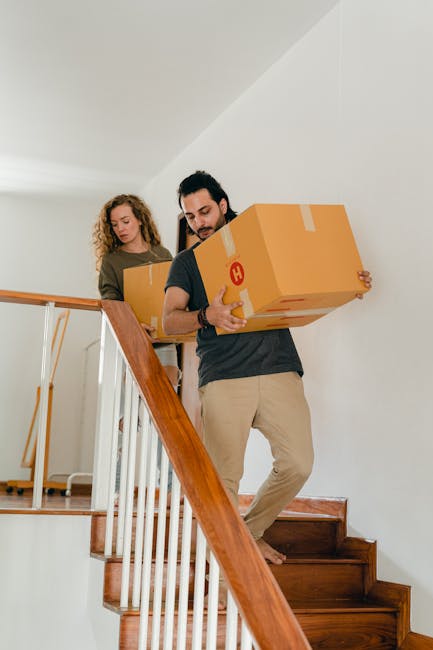
Staircases & Tight Halls: Chadwell Heath Flat Move Solutions
Posted on 18/06/2026
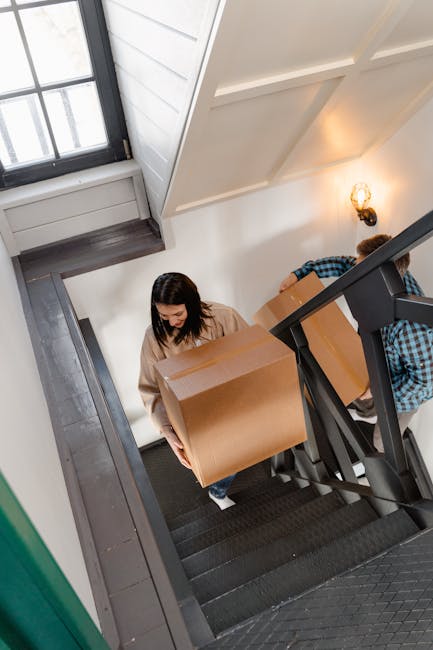
Staircases & Tight Halls: Chadwell Heath Flat Move Solutions
If you've ever tried to move a sofa up three narrow flights of stairs while the hall barely leaves room to turn, you already know the problem. Flat moves in Chadwell Heath can look simple on paper, then suddenly become all elbows, awkward angles, and a lot of careful breathing. Staircases & Tight Halls: Chadwell Heath Flat Move Solutions is really about making those tricky moves feel manageable, safe, and properly planned.
Whether you're shifting out of a compact upper-floor flat, moving into a converted property, or trying to get a bed frame around a tight landing without leaving a mark, the right approach makes all the difference. In this guide, we'll walk through what actually helps, what to avoid, and how to plan a move that works in real life, not just in theory.
Why Staircases & Tight Halls: Chadwell Heath Flat Move Solutions Matters
Flat moves are often underestimated. A room might look fairly spacious until you try to move a wardrobe through a turn in the staircase or carry a mattress along a hallway with a radiator, banister, and front door all competing for space. In Chadwell Heath, that challenge is common enough to deserve a proper plan, especially in older flats, converted homes, and buildings with narrow internal layouts.
The issue is not just inconvenience. Tight access increases the risk of scraped paintwork, damaged furniture, strained backs, and delays that ripple through the rest of the move. One small misjudge can turn a tidy morning move into a very long afternoon. To be fair, that's where most people start to feel the pressure.
Staircases & Tight Halls: Chadwell Heath Flat Move Solutions matters because it brings structure to an otherwise fiddly job. It helps you protect your belongings, reduce stress, and avoid the common trap of trying to "just push it through." That phrase has caused more trouble than it ever solved.
For a broader view of moving support across the area, you may also find flat removals in Chadwell Heath useful when you're comparing options.
How Staircases & Tight Halls: Chadwell Heath Flat Move Solutions Works
The process starts long before anyone lifts a box. Good access planning means checking the layout, measuring awkward items, and deciding which route is genuinely workable. That could mean the main staircase, a rear entrance, a side passage, or a combination of all three. Sometimes, the best route is the one you would not have chosen instinctively.
Professionally, the move is usually broken into a few practical stages:
- Access check: identify tight corners, low ceilings, bannisters, fire doors, and any spots where furniture may need to be tilted or rotated.
- Item assessment: measure bulky pieces such as wardrobes, sofas, beds, white goods, and anything with fragile parts.
- Protection setup: use covers, blankets, straps, and floor protection to reduce impact and friction.
- Route planning: choose the safest path for carrying items and decide whether dismantling is needed.
- Controlled lifting: move in a coordinated way, with clear communication and steady pacing.
The key idea is simple: don't force the shape of the object against the shape of the building. Adjust the object, the method, or both. If that means removing table legs, taking apart a bed, or moving a wardrobe in sections, so be it.
This is where practical packing helps too. A good guide to stress-free packing for a move can make tight-access moves much easier because you avoid overloaded boxes and awkward last-minute repacking.
Key Benefits and Practical Advantages
Done properly, a tight-hall or staircase move gives you more than just a way out of the building. It protects the whole moving day from becoming chaotic.
- Less risk of damage: careful handling reduces knocks to walls, doors, banisters, and furniture edges.
- Safer lifting: planning the route and load shape lowers the chance of slips, strains, and sudden drops.
- Faster progress: a well-measured move usually runs smoother than a "figure it out as we go" approach.
- Better use of space: items can be dismantled or angled to fit, rather than getting wedged halfway up the stairs.
- Less emotional stress: you're not standing in the hallway wondering if the sofa is permanently stuck. Which, let's face it, is a horrible feeling.
There's also a practical planning benefit. Once you understand the tight points in a property, you can order your loading, packing, and transport in a more intelligent way. That helps with everything from turnaround time to how many hands you actually need on site.
If you want to prepare in a more structured way, our internal guide to decluttering tactics to simplify your home move experience is a smart companion read.
Who This Is For and When It Makes Sense
Not every move needs specialised handling, but a surprising number do. If your home has a narrow staircase, a sharp turn at the landing, a tight front door, or a hallway that feels like it was designed for one person and a shopping bag, you're in the right territory.
This is especially relevant for:
- upper-floor flat movers
- students moving into compact accommodation
- families leaving converted terraces or maisonettes
- people with large furniture or awkwardly shaped items
- anyone moving under time pressure
- older residents who want a safer, less physically demanding move
It also makes sense when your move involves fragile or difficult items. A piano, for example, is not something you improvise with on a Monday morning. For that kind of job, specialised handling is usually the safer choice. If that sounds familiar, our piano removals in Chadwell Heath page explains the sort of care these items need.
And if you're a student trying to move out of a small flat with a few stairs and too many boxes, there's a clear fit for student removals in Chadwell Heath too.
Step-by-Step Guidance
Here's a straightforward way to manage a flat move where stairs and narrow halls are part of the puzzle.
- Measure before move day. Check the dimensions of your largest items and compare them with hallway widths, stair turns, ceiling heights, and door openings.
- Identify items that should come apart. Beds, modular sofas, shelving, and some desks are much easier to move in sections.
- Clear routes fully. Remove mirrors, coat hooks, loose mats, and anything that might snag or topple.
- Pack with weight in mind. Keep boxes manageable. Heavy boxes on stairs are a recipe for wobbling, and nobody needs that drama.
- Protect contact points. Use blankets, wraps, and corner protection where items are likely to brush walls or railings.
- Move the largest items first or last, depending on the route. There's no one perfect order, but bulky items usually go better when the path is still clear.
- Communicate every turn. Clear calls like "stop," "tilt," and "watch the left" reduce mistakes more than people realise.
- Leave a margin for surprise. Tight access can reveal hidden problems once you start moving. Build in a little extra time.
One practical example: a double bed can often seem manageable in a bedroom, yet become awkward at the stair turn. If that's your situation, the guide on transporting your bed and mattress is worth a look before lifting anything at all.
For heavier items, technique matters just as much as strength. You can read more about lifting mechanics in the dynamics behind kinetic lifting explained, which is particularly relevant when stair carrying is involved.
Expert Tips for Better Results
Small improvements have a big effect in tight spaces. Here are the things that tend to make the day go better.
- Take doors off if needed. A few minutes with the right tools can save a lot of scraping and swearing later.
- Use two people for long items. Sofas, mattresses, and tall furniture behave better with balanced handling.
- Empty drawers and shelves. Carrying furniture with loose contents inside changes the centre of gravity. That's how things get unstable.
- Bundle small items early. Bits and pieces dropped on stairs are a nuisance, and sometimes a hazard.
- Keep one person "spotting." A third set of eyes helps with corners, edges, and wall clearance.
- Use the daylight well. Morning light through a stairwell makes obstacles easier to see than a dim hallway at dusk.
A really useful habit is to slow down at the point where people usually want to speed up. That odd middle section of the staircase, where confidence rises and judgment drops a little? That's where care matters most.
If you're planning a broader home move, house relocation tips can help you tie the access plan to the rest of the day rather than treating it as a separate problem.
Common Mistakes to Avoid
Most staircase move problems are predictable. That's the annoying part. The good news is that predictable problems are easier to avoid once you know them.
- Guessing measurements: "It should fit" is not a measurement.
- Overpacking boxes: a heavy box on stairs is harder to control and more likely to slip.
- Ignoring the landing angle: many items fit through a hall, then fail at the turn.
- Forgetting to protect edges: one careless drag can leave visible marks.
- Trying to rush the last few steps: tired hands make poor decisions.
- Not checking the destination: the new flat may have equally tight access, which needs planning too.
Another common slip is leaving bulky waste or unwanted furniture until the very end. That creates clutter in the exact areas you need clear. If you're sorting old items out, it helps to know who handles bulky waste in Chadwell Heath so you can clear space properly.
And if you're moving in a hurry, don't pretend time pressure makes awkward furniture any less awkward. It doesn't. It just gets louder.
Tools, Resources and Recommendations
You do not need a warehouse of specialist kit for every move, but the right basics help enormously.
| Tool or Resource | Best Use | Why It Helps |
|---|---|---|
| Measuring tape | Checking stair widths, door gaps, and item dimensions | Prevents guesswork and surprises |
| Removal blankets | Covering furniture, rails, and door frames | Reduces scuffs and knocks |
| Ratchet straps or tie-downs | Securing items in transit | Keeps loads stable on the van and during lifting |
| Furniture sliders | Shifting heavier pieces on smoother floors | Less friction, less strain |
| Labelled packing boxes | Organising access to essentials | Stops you having to hunt through piles after the move |
For packed flats, the basics matter more than clever hacks. If you are still choosing supplies, the packing and boxes in Chadwell Heath page is a sensible place to start.
If you need a more flexible move style, the local man and van in Chadwell Heath option can be useful for smaller or quicker jobs, while a removal van in Chadwell Heath suits larger loads and bulkier furniture.
Law, Compliance, Standards, or Best Practice
For staircase and tight-hall moves, compliance is mostly about safe working practice, insurance awareness, and respecting building rules. It is wise to follow the standards you would expect from any responsible removal job: clear communication, proper manual handling, suitable equipment, and careful protection of the property.
In shared flats or managed buildings, there may also be house rules about lift use, loading times, parking, corridor protection, or access windows. Those details vary, so it's best to confirm them early rather than assuming you can improvise on the day.
Best practice usually includes:
- using safe lifting techniques and enough people for bulky items
- checking access routes before moving heavy furniture
- avoiding blocked fire exits or communal areas
- protecting walls, floors, and banisters
- keeping insurance and liability considerations in mind
If you want reassurance around the risk side, the insurance and safety page explains the kind of care that should sit behind any well-run move. For broader company expectations, the health and safety policy and accessibility statement can also be helpful background reading.
And yes, paperwork matters. Not glamorous, but it does.
Options, Methods, or Comparison Table
There are a few ways to tackle a difficult flat move. The right one depends on your items, access, time, and how much physical strain you want to take on yourself.
| Method | Best For | Pros | Trade-Offs |
|---|---|---|---|
| Self-move with helpers | Very small moves, light furniture | Budget-friendly, flexible timing | Higher risk with stairs, more physical strain |
| Man and van | Small to medium flat moves | Practical, efficient, less lifting for you | May still need careful planning for awkward furniture |
| Full removal service | Larger flat moves, awkward access, fragile items | More support, better handling, smoother coordination | Usually more expensive than doing it yourself |
| Same-day support | Urgent or unexpected changes | Fast response, less disruption | Availability can be limited, planning window is shorter |
For some moves, the smartest answer is a blended approach: dismantle a few items yourself, let the movers handle the heavy lifting, and use storage if the timing is awkward. That hybrid option is often overlooked.
If the day has gone sideways, same-day removals in Chadwell Heath can be the difference between carrying on calmly and sleeping badly because the stairs won the battle.
Case Study or Real-World Example
A typical Chadwell Heath flat move might involve a first-floor property, a narrow internal staircase, and a bedroom wardrobe that looked fine until it reached the landing. In one real-world-style scenario, the move ran smoothly only after the team paused, removed the wardrobe doors, and changed the angle of approach by a few degrees. That small adjustment saved the item, the wall paint, and probably everyone's mood.
Another common example is a student flat move with a double mattress, desk, two storage units, and boxes packed right to the brim. On paper, it seems easy enough. In reality, the staircase, front door, and hallway all create friction points. The fix is not more force. It is better sequencing: clear the route, move the soft items first, then the flat-packed items, then the heavier furniture once the path is open.
We often see that people only think about the staircase itself. But the turning point is usually the landing, where balance, width, and momentum all matter at once. That's the bit people remember afterwards. The awkward bit. The bit where the kettle is still packed and nobody wants to say "maybe we should have measured this."
Practical Checklist
Use this checklist before a staircase or tight-hall flat move in Chadwell Heath.
- Measure your largest furniture pieces.
- Measure the narrowest stairs, landings, and door frames.
- Identify items that need dismantling.
- Empty drawers, cupboards, and shelves.
- Pack heavy items into smaller boxes.
- Label boxes by room and priority.
- Protect floors, bannisters, and corners.
- Remove obstacles from the hallway and stairs.
- Plan where the van will park and how loading will happen.
- Keep essential documents, keys, and chargers separate.
- Have water and a quick snack ready; small thing, but it helps.
- Allow extra time for awkward turns and unexpected delays.
If you're still in the packing stage, the RM6 compact home packing checklist and the High Road flats quick packing checklist can help you keep things realistic rather than overstuffed.
For move-day timing around local access and traffic, the article on Chadwell Heath station loading routes and move timing is another handy planning tool.
Conclusion
Staircases and tight halls do not have to make a flat move stressful. They just need respect, planning, and a method that suits the building rather than fighting it. Once you understand where the awkward points are, the whole move becomes easier to manage. Less guessing. Less strain. Far fewer near-misses with doorframes.
In Chadwell Heath, that kind of preparation really pays off, especially if you're dealing with compact homes, upper-floor flats, or furniture that feels a bit too ambitious for the staircase. A calm move is usually not luck. It's setup.
And if you're deciding what to do with unwanted items before moving day, you may also want to look at how to avoid hidden fees when moving in Chadwell Heath so the budget stays under control. Little things add up fast.
Get a free quote today and see how much you can save.
When the stairs are awkward and the hallway is tight, a careful move doesn't just protect furniture; it protects your peace of mind. That's worth quite a lot, really.